
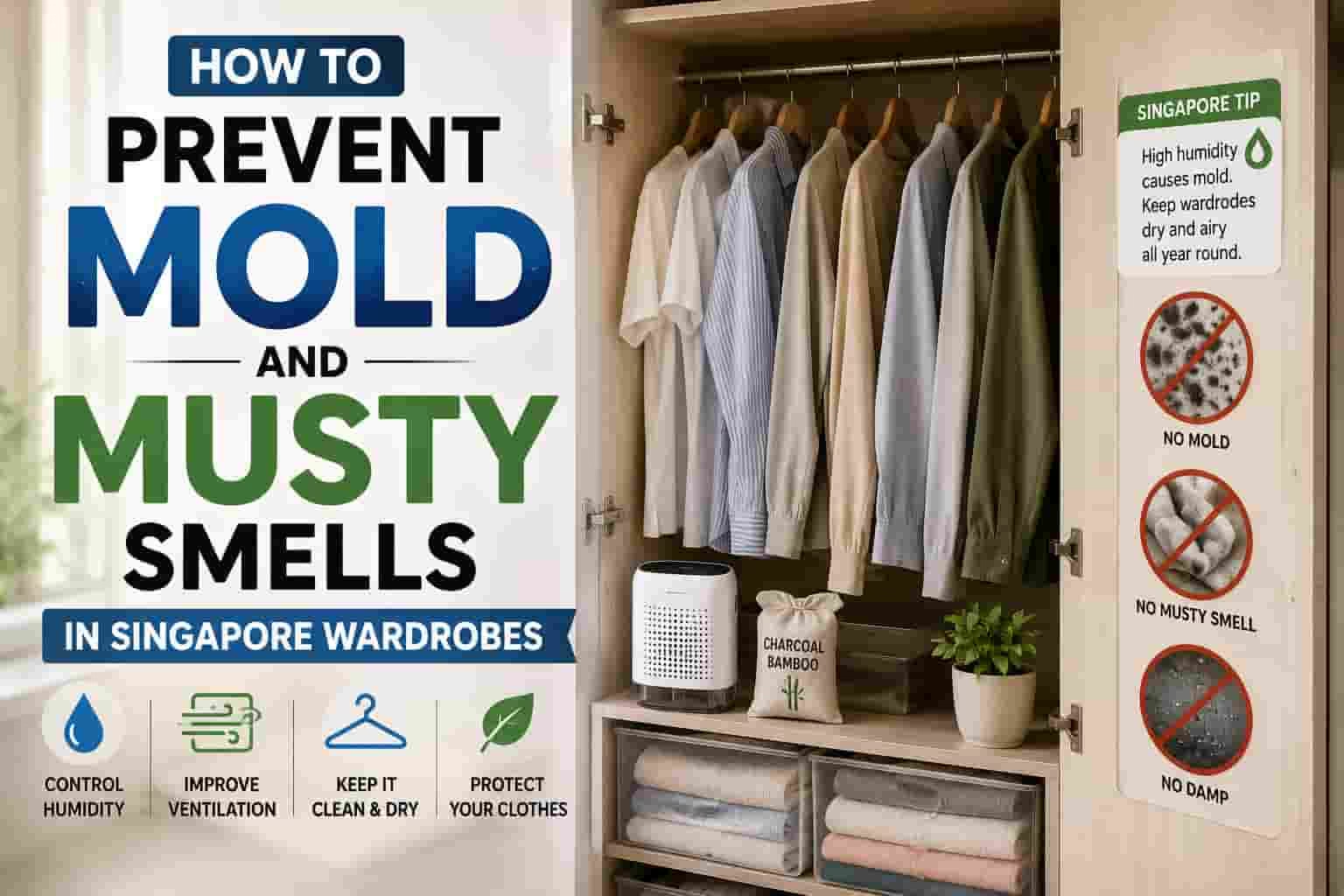
Step inside any bedroom in Singapore during the peak monsoon seasons or high-humidity months, and you are likely to encounter a familiar, frustrating sensory experience: a heavy, damp, earth-like odor lingering behind closed closet doors. For many local residents, opening a built-in wardrobe brings a sense of anxiety rather than comfort. You reach for a premium linen shirt, a designer leather handbag, or a favorite cotton dress, only to find a delicate, powdery film of grey or white spots blanketing the fabric.
In our tropical climate, clothing storage is not just an organizational task; it is a constant battle against biological degradation. The ambient humidity in Singapore consistently hovers between 70% and 90% year-round, spiking even higher during heavy downpours. When you trap this moisture-laden air inside a dark, enclosed, unventilated wooden cabinet, you accidentally create the ultimate incubation chamber for microscopic fungi.
If you struggle to keep up with managing these persistent climate challenges alongside a demanding schedule, establishing a consistent routine for home cleaning Singapore is a highly effective preventive step. Having dedicated upkeep ensures that minor dust layer drop-offs and humidity pockets are regularly addressed before spores have a chance to anchor, saving you from expensive fabric replacement costs down the road.
Unchecked wardrobe mold does far more than just emit a foul, sour smell that ruins the sensory experience of a freshly washed outfit. The airborne spores produced by these colonies travel easily through your bedroom, triggering respiratory irritation, nighttime coughing fits, and skin allergies for sensitive individuals or young children. Furthermore, fungal structures produce digestive enzymes that actively break down organic fibers, leading to permanent stains, dry rot, and structural decay on expensive textile investments.
To protect your investments and keep your bedroom air perfectly fresh, you must move away from temporary fixes and adopt a structural approach to moisture defense. This guide outlines the precise steps needed to eradicate existing fungal spores, optimize your wardrobe’s internal micro-climate, and maintain an environment where musty smells simply cannot survive.
Understanding the Fungal Threat in Tropical Closets
To successfully defend your clothing collection, it helps to understand exactly why closets are uniquely vulnerable to fungal infestations. Fungi do not require soil to thrive; they simply need a food source, a dark space, a lack of air movement, and a sustained moisture level above 60%. Your closet easily provides all four components.
Many modern properties in Singapore utilize built-in wardrobes constructed from medium-density fibreboard (MDF) or compressed particle wood, sealed with a thin exterior laminate layer. While these designs look sleek and maximize vertical space, the raw, unlaminated edges inside the backing panels and screw tracks behave like dense sponges. They readily absorb ambient moisture directly from concrete walls, especially if your wardrobe shares a common wall with a damp bathroom layout.
Once moisture settles into these wooden fibers, it remains trapped there indefinitely due to a total lack of internal airflow. The dark, undisturbed corners of the cabinet become a perfect sanctuary. Fungal spores, which exist naturally in the air outside, float inside whenever you open the closet door, anchor onto the damp wood or clothing fibers, and begin forming visible colonies within a matter of days.
If a severe fungal outbreak has already taken over your storage systems, a standard surface wipe down won’t be enough to eliminate the deeply embedded root structures. Booking professional one time house cleaning services provides your home with an intensive, high-level sanitization process. Specialized teams utilize heavy-duty extraction equipment and deep-cleaning disinfectants to thoroughly purge existing fungal colonies from your walls and furniture fixtures, giving you a fresh, clean slate.
The Root Causes of Wardrobe Moisture and Grime
While high outdoor humidity sets the baseline for local living conditions, several daily habits and structural realities silently accelerate moisture buildup inside our storage spaces. Identifying these hidden triggers is the first step toward long-term prevention.
One of the most common mistakes households make is hanging a half-worn piece of clothing back inside a closed wardrobe alongside freshly laundered garments. Even if an outfit looks perfectly clean after a brief trip outdoors, it has absorbed invisible elements from your environment: microscopic traces of sweat, natural body oils, dead skin cells, and ambient street dust.
When placed back into a dark closet, these organic residues serve as a concentrated food source for fungal spores. Moreover, the fabric retains residual body heat and microscopic moisture from your sweat glands, raising the internal humidity level of the immediate surrounding airspace.
In space-conscious Singapore apartments, maximizing storage space often leads to overstuffed clothing rails. When hangers are jammed together so tightly that you have to forcefully push them apart to browse your wardrobe, you completely stop any natural air convection. Air must be able to circulate between garments to keep the fibers dry. A packed closet traps pockets of stagnant, humid air between layers of fabric, creating micro-climates where mold can grow completely undisturbed and hidden from sight.
Smart Daily Practices to Prevent Mold in Your Wardrobe
Once your closet has been thoroughly sanitized, maintaining an environment that stops spores from germinating requires simple, consistent changes to your daily lifestyle.
As a golden rule of closet management, always leave at least 20% of your wardrobe space completely empty. Ensure there is a clear, visible gap of one to two inches between every clothes hanger on the rail. This structural spacing allows air currents to drift naturally through the fabrics whenever your wardrobe doors are opened, drying out minor pockets of condensation before they can cause harm.
Plastic chemical dehumidifiers that collect water in small tubs are highly popular across Singapore households, but they must be managed correctly to be useful. Check these containers every few weeks; once the solid white chemical pellets have dissolved entirely into liquid water, the unit can no longer absorb moisture and must be replaced immediately.
For a more permanent, eco-friendly solution, consider using rechargeable mini-dehumidifiers or hanging linen bags filled with activated bamboo charcoal. Charcoal bags contain millions of microscopic pores that naturally trap moisture and ambient smells. Best of all, they are fully renewable—simply place them under direct sunlight outside once a month to release the trapped moisture, and they are ready to protect your closet all over again.
If you are currently moving into a resale flat or a newly handed-over apartment, you have a perfect, golden window of opportunity to implement these preventive measures. Scheduling a comprehensive moving in cleaning session ensures that your entire property—including the deep interiors, high shelves, and hidden structural backings of all built-in wardrobes—is thoroughly prepped and sanitized before your clothes are unpacked. Starting with a completely sterile, moisture-free foundation is the single best way to ensure your wardrobe stays clean for years to come.
Actionable Steps to Eradicate Existing Fungal Growth
If you have already discovered a fuzzy white or grey layer inside your wardrobe, simply placing a plastic moisture absorber on the shelf will not solve the problem. You must systematically sanitize the entire structure to kill the root system of the fungus.
Begin by removing every single item from the affected wardrobe section. Do not leave a single hanger or storage box inside. Place all infected clothing into heavy-duty laundry bags, keeping them completely separate from your clean fabrics to avoid spreading airborne spores across your bedroom floor.
Avoid using standard wet cloths or generic water-based sprays to clear away mold, as water will only soak deeper into raw wood grains and feed future growth cycles. Instead, use an anti-fungal disinfectant or a natural solution made of equal parts white vinegar and warm water. Vinegar contains acetic acid, which effectively penetrates porous wood surfaces to kill fungal structures at a cellular level.
Wipe down every square inch of the internal walls, shelf tracks, corners, and hanging rails. Once finished, leave the wardrobe doors completely open for at least 24 to 48 hours. Run a standalone dehumidifier or switch your bedroom air conditioner to “Dry Mode” to draw out every bit of deep-seated moisture from the exposed wood.
Standard cold-water laundry cycles will not kill resilient fungal spores; they will merely spread them to other garments inside the washing drum. For washable items, use the hottest water setting permitted by the care label (preferably 60°C or higher). Add a cup of white vinegar or a specialized laundry sanitizer to the rinse cycle to neutralize stubborn, musty odors.
For delicate luxury items, structured silks, or leather pieces that cannot handle high-temperature washing, send them directly to a professional dry cleaner, explicitly notifying them of the mold issue. Ensure every piece of clothing is completely dry before hanging it back up. Even a tiny patch of damp fabric on a sleeve can restart an entire infestation inside your newly cleaned closet.
When to Seek Professional Household Support
Managing a severe household mold breakout can quickly become overwhelming, especially when the issue spreads from clothes to the structural backing panels of built-in furniture or high-ceiling corners. If you are a tenant transitioning out of a rental apartment, ignoring hidden wardrobe issues can lead to stressful conflicts during the final property inspection. Property agents and landlords will routinely check inside built-in cabinets for musty smells or discoloration.
Investing in a targeted post tenancy cleaning service guarantees that these hidden storage areas are fully detailed and brought back to compliance, keeping your security deposit perfectly safe. Experienced, trained professionals can seamlessly access these difficult high-reach spaces, clearing accumulated buildup from sensitive motorized or enclosed units without risking any structural harm to your fixtures.
For ongoing residential upkeep, relying on an expert team provides the specialized equipment necessary to maintain optimal indoor hygiene. If your lifestyle leaves little room for managing intense high-altitude cleaning, outsourcing your household maintenance via structured adjustments is an excellent, flexible solution.
Frequently Asked Questions About Wardrobe Mold
Does white vinegar permanently kill mold spores on wood?
Yes, distilled white vinegar contains acetic acid, which breaks down the cellular structure of mold to kill it at the root. Unlike commercial bleach—which only surface-whiteness the mold and adds moisture to porous wood—vinegar penetrates deep into wood grain fibers to eradicate the colony and neutralize lingering musty odors naturally.
How long can a plastic moisture absorber last in a Singapore closet?
In Singapore’s high-humidity environment, a standard disposable plastic moisture absorber typically lasts between 3 to 6 weeks. Once the white calcium chloride pellets have entirely dissolved into liquid water, the unit has reached full saturation. It can no longer extract ambient humidity from your closet and must be replaced immediately.
Can running the bedroom air conditioner prevent wardrobe mold?
Yes, running your air conditioner in “Dry Mode” effectively acts as a dehumidifier, stripping excess moisture from the bedroom air. However, because air cannot easily pass through closed closet doors, you should leave your wardrobe doors open slightly while the air conditioner runs to allow the dry air to circulate inside.
Should I use a standard feather duster to clean mold off my clothes?
No, never use a dry feather duster or brush to clean visible mold. Doing so will simply launch millions of microscopic fungal spores into your bedroom air, where they will settle on other fabrics, enter your aircon vents, or be inhaled. Always wipe down moldy surfaces using a damp microfiber cloth soaked in a disinfectant solution.
The Long-Term Value of an Aesthetic and Hygienic Home
Ultimately, protecting your wardrobe from mold growth does far more than just shield your clothing collection from physical rot; it is a vital investment in your personal health, your daily comfort, and your financial peace of mind.
By taking charge of your indoor environment—whether through simple daily airflow checks, using proper dehumidifiers, or bringing in professional assistance when things get tough—you can keep your living space safe and fresh. Step up to your wardrobe with complete confidence tomorrow morning, knowing your home is clean, organized, and perfectly optimized for our tropical lifestyle.