
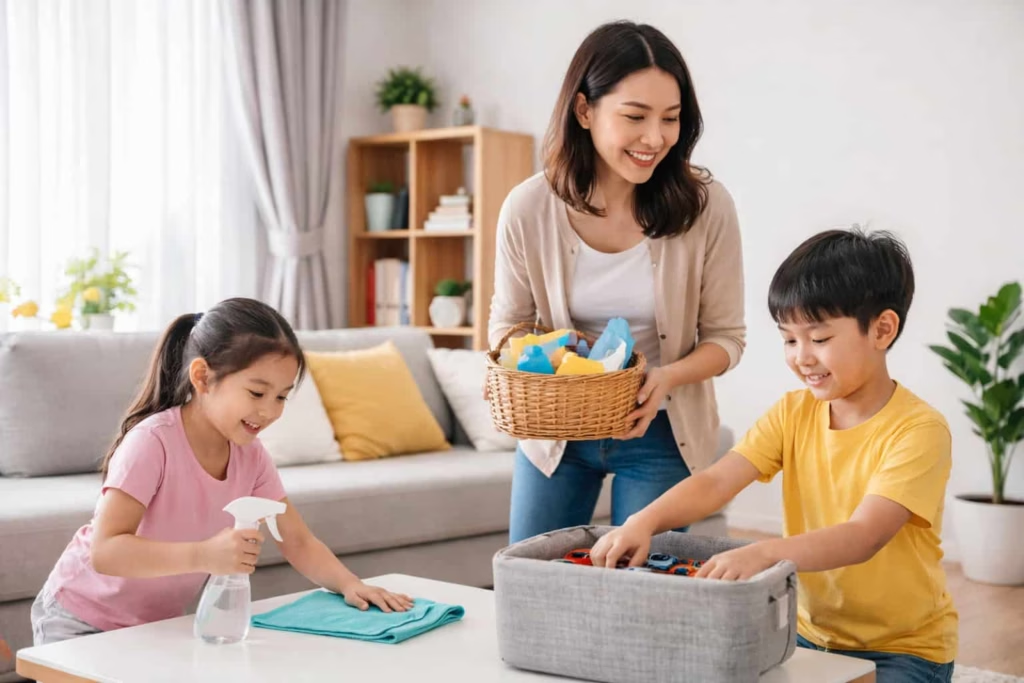
Keeping a home clean with kids can sometimes feel impossible. Toys appear in every corner, crumbs collect under the dining table, and laundry piles up faster than expected. Many parents feel like they are constantly cleaning but still struggling to keep the house organised.
The truth is that maintaining a clean home with children does not require constant deep cleaning or unrealistic standards. What matters most is building simple routines that keep the home tidy, hygienic, and manageable.
In many Singapore households, especially in HDB flats and condominiums where space is limited, clutter can build up quickly when children have toys, school items, and daily essentials scattered around the home. With the right habits and organisation strategies, families can maintain a comfortable living environment while still enjoying quality time together.
This guide shares practical and realistic cleaning tips that help parents maintain a clean home while managing busy family schedules.
Children spend a large portion of their time at home. They play on the floor, touch different surfaces, and move constantly from one room to another. Because of this, maintaining a clean environment helps support both health and safety.
Dust, food crumbs, and bacteria can accumulate quickly in homes with children. Regular cleaning helps reduce allergens and improve indoor air quality. This is especially important for toddlers who crawl on the floor or frequently put objects in their mouths.
A well-organised home also improves daily routines. When spaces are tidy, children can easily find their belongings and parents can manage household tasks more efficiently.
Beyond hygiene, a clean home creates a calmer atmosphere. When clutter is reduced and living spaces are organised, the entire family can enjoy a more comfortable environment.
Instead of trying to clean everything at once, focusing on small habits throughout the week makes household cleaning much easier.
Daily routines help prevent mess from building up. Small tasks completed consistently take only a few minutes but make a big difference in maintaining order.
A simple daily routine might include wiping kitchen counters after meals, loading dishes into the dishwasher, and doing a quick floor clean in the living room.
Morning routines can also help maintain a tidy home. Making beds, opening windows for ventilation, and clearing breakfast dishes immediately help keep the home fresh and organised.
These small habits reduce the need for large cleaning sessions later.
Toys often become the biggest source of clutter in homes with children. Without proper storage systems, toys can quickly spread across multiple rooms.
Using labelled storage bins or baskets helps children understand where toys should be placed after playtime. Transparent containers also allow children to easily identify where items belong.
Another helpful method is toy rotation. Instead of keeping all toys accessible at once, parents can store some away and rotate them every few weeks. This keeps children interested in their toys while reducing daily clutter.
Encouraging children to return toys after playing helps establish responsibility and cleaning habits early.
Certain areas of the home become dirty faster than others. Kitchens, living rooms, dining areas, and entryways experience the most daily activity.
Vacuuming and mopping floors in these areas regularly removes dust, crumbs, and dirt that accumulate throughout the day. This is particularly important for households with toddlers who crawl or play on the floor.
Many busy families choose to schedule a weekly house cleaning service to help maintain these areas consistently. Professional cleaning helps ensure floors and surfaces remain hygienic even during busy work weeks.
The kitchen is one of the busiest spaces in a family home. Preparing meals, snacks, and drinks for children can quickly lead to spills and mess.
Simple habits help keep kitchens clean:
• Wipe countertops immediately after cooking
• Clean spills quickly before stains develop
• Wash dishes after meals
• Sanitize frequently touched surfaces
Cabinet handles, refrigerator doors, and dining tables should be cleaned regularly because children touch these surfaces frequently.
Occasional deeper cleaning may also be needed to remove grease and hidden buildup.
Laundry often becomes overwhelming in homes with children. School uniforms, play clothes, towels, and bedding accumulate quickly.
Creating a simple laundry schedule helps prevent large piles from forming. Washing smaller loads throughout the week is often easier than handling large loads all at once.
Separate baskets for different laundry categories can also simplify sorting. For example, one basket can be used for children’s clothes while another can be used for towels.
Older children can also help by placing their clothes into the correct basket.
Children frequently touch surfaces such as door handles, light switches, remote controls, and electronic devices.
These areas can accumulate bacteria quickly. Regularly wiping them with disinfectant wipes helps maintain hygiene throughout the home.
Parents with younger children should also clean frequently used items such as toy surfaces, stroller handles, and baby chairs.
Maintaining these small cleaning habits helps reduce the spread of germs within the household.
Clutter often builds up slowly in family homes. Old toys, unused clothes, and miscellaneous items take up valuable space.
Scheduling regular decluttering sessions helps keep the home organised. Parents can set aside time every few months to review household items and remove those that are no longer needed.
A clutter-free home is easier to clean and maintain. Surfaces remain accessible, storage areas stay organised, and daily cleaning tasks become faster.
Cleaning should not always fall on parents alone. Children can participate in small age-appropriate household tasks.
Younger children can help with activities such as putting toys away or wiping tables. Older children can assist with folding laundry, organising bookshelves, or vacuuming small areas.
Making cleaning part of the family routine teaches responsibility and helps children develop useful life skills.
A short cleaning routine before bedtime helps restore order to the home.
This simple evening reset can take less than ten minutes:
• Put toys back into storage bins
• Wipe dining tables and kitchen counters
• Load dishes into the dishwasher
• Do a quick vacuum of the living room floor
• Prepare school bags and clothes for the next day
Completing this quick routine each evening helps prevent clutter from accumulating overnight.
Safety is another important factor when maintaining a clean home with kids.
Parents should store cleaning chemicals safely out of children’s reach. Cabinets containing cleaning products should remain locked or placed in high storage areas.
Using child-friendly cleaning products can also reduce exposure to strong chemicals. Many families prefer mild cleaning solutions when cleaning areas frequently used by children.
Keeping floors dry after mopping is another important safety practice. Wet floors can increase the risk of slipping, especially for energetic children running around the house.
Bathrooms require frequent cleaning in family homes. Water splashes, toothpaste stains, and soap residue can accumulate quickly.
Regularly cleaning sinks, toilets, and bathroom floors helps maintain hygiene and prevent unpleasant odours.
Busy households sometimes rely on one time house cleaning service to maintain bathrooms and kitchens regularly when their schedules become too demanding.
Parents often juggle work responsibilities, childcare, and daily household tasks. During particularly busy periods, maintaining a clean home may feel overwhelming.
Many families choose to hire a house cleaning service in Singapore to maintain a clean living environment while focusing on family responsibilities.
Professional cleaners can assist with regular maintenance cleaning, allowing parents to spend more time with their children instead of worrying about household chores.
Maintaining a clean home with kids does not require perfection. Instead, it requires practical routines that help families manage household tasks efficiently.
By establishing simple daily habits, organising household items properly, and encouraging children to participate in cleaning activities, families can maintain a tidy and comfortable home environment.
Combining these habits with occasional professional cleaning support helps parents maintain a healthy and organised living space where both adults and children can enjoy their home.
Homes with children usually require daily tidying and weekly deeper cleaning. Regular routines such as wiping surfaces, vacuuming floors, and organising toys help maintain hygiene and prevent clutter from building up.
The easiest approach is to create simple daily routines. Quick tasks like putting toys away after playtime, wiping kitchen counters, and doing short evening resets help maintain order throughout the home.
Busy parents can maintain a clean home by focusing on small daily cleaning habits and scheduling regular cleaning routines. Many families also choose to hire a professional house cleaning service to help manage household tasks during busy weeks.
High-traffic areas such as living rooms, kitchens, bathrooms, and dining spaces should be cleaned regularly. Floors and frequently touched surfaces should receive extra attention to maintain hygiene.
Professional cleaning services can help families maintain a hygienic and organised home while managing work and parenting responsibilities. Regular cleaning support ensures important areas of the home remain clean even during busy periods.