
What should you clean first when your house feels too messy to tackle? If clutter is blocking your way, scrubbing around it can make the job harder. Learning how to clean a very messy house starts with making the space safer and easier to move through, then tackling tasks in a practical order.
It’s understandable to feel overwhelmed when every room seems to need attention and you can’t tell how long the work will take. You don’t have to fix everything in one day. A few focused steps can create visible progress and help you decide what can wait.
This guide walks you through clearing hazards, sorting clutter, and cleaning one zone at a time, with safety in mind. You’ll also learn how to judge whether the workload is manageable on your own or professional help could make it easier. If you’re considering a one-time cleaning service, describe the work you need and confirm the scope before booking.
Key Takeaways
- Learn how to clean a very messy house by setting a practical goal: make the home safer and more usable, not perfect all at once.
- Follow a clear task order so clutter is handled before routine cleaning, helping you focus and see progress.
- Prioritise clear paths and the surfaces needed for everyday routines, then decide where to stop in each room.
- Consider your available time, physical capacity, equipment and the remaining workload when deciding whether to continue on your own or ask for help.
- If you consider a one-time cleaning service, confirm the scope beforehand so you understand what the booking includes.
How to Clean a Very Messy House Without Getting Overwhelmed
A home that feels difficult to manage can make it hard to know where to begin. That doesn’t mean you need to clean every room today. Set a smaller goal: make one area safer and more usable, then build on that progress. A clear route to the bathroom or a clean section of kitchen counter is meaningful improvement, even if other areas still need attention.
Before you start, choose a realistic work period and a single area with clear boundaries, such as one stretch of counter or a small patch of floor. Gather rubbish bags, laundry baskets, gloves, cloths and suitable cleaning products. For background on the different methods of cleaning, remember that this session doesn’t need to cover every cleaning task. Keep the focus narrow and avoid starting a separate sorting project halfway through.
What to do before you start cleaning
Walk through the home first. Notice blocked routes, anything that could cause someone to trip, and urgent messes that need attention before routine cleaning. Don’t handle anything you can’t identify or manage safely. Open windows where appropriate, and follow the ventilation guidance and instructions on each product label.
Set up separate places for rubbish, laundry, dishes and items that belong elsewhere. Keep the containers near your work area if practical. This simple sorting system reduces repeated decisions: place each item in the right container, but save putting away objects from other rooms for later. Avoid carrying loose items from room to room as you work, since that can interrupt progress and spread clutter.
How to make the first cleaning session manageable
Use short work periods with planned breaks instead of committing to an exhausting all-day sprint. Stop when your chosen period ends, even if the whole room isn’t finished. Progress means that a specific area is clearer or cleaner, not that the entire home is complete.
First 15 minutes:
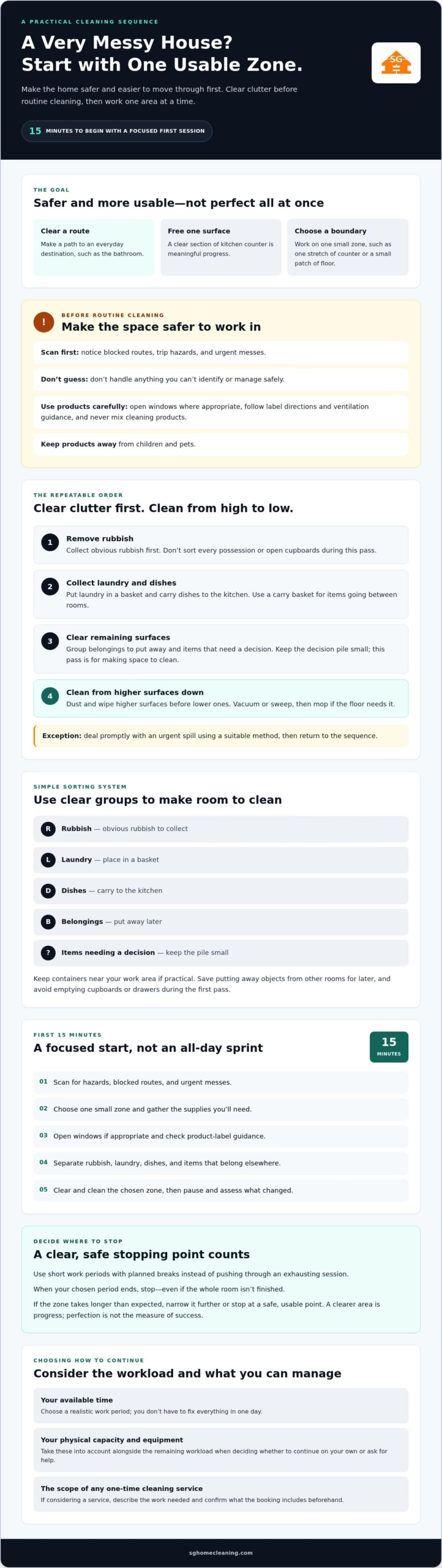
- Scan for hazards, blocked routes and urgent messes.
- Choose one small zone and gather the supplies you’ll need.
- Open windows if appropriate and check product-label guidance.
- Separate rubbish, laundry, dishes and items that belong elsewhere.
- Clear and clean the chosen zone, then pause and assess what changed.
This is a practical starting point for how to clean a very messy house without letting the full workload dictate your pace. If the zone takes longer than expected, narrow it further or stop at a safe, usable point. A completed section gives you a clear place to resume, without making perfection the measure of success.
What Order Should You Follow to Clean a Very Messy House?
A consistent sequence prevents you from cleaning around clutter or repeating work. For how to clean a very messy house, use this order in one area at a time: remove rubbish, collect laundry and dishes, clear remaining surfaces, then clean from higher surfaces down to the floor. Keep the same sequence if you return to the area later. You can adapt the steps to your household and available time, but each task should make the next one easier.
- 1. Remove rubbish. Take a bag through the area and collect obvious rubbish first. Don’t sort every possession or open cupboards during this pass.
- 2. Collect laundry and dishes. Put laundry in a basket and carry dishes to the kitchen. If you need to move items between rooms, use a carry basket rather than making repeated trips for single objects.
- 3. Clear surfaces. Sort what remains into belongings to put away and items that need a decision. Keep the decision pile small. The first pass is for making space to clean, not resolving every organising question.
- 4. Clean. Dust and wipe higher surfaces before lower ones, then vacuum or sweep and mop if the floor needs it.
How to clear clutter before wiping and washing
Keep the categories simple: rubbish, laundry, dishes, belongings and items needing a decision. Moving everything into a few clear groups makes it easier to reach surfaces without creating more piles. Avoid emptying cupboards or drawers during this first pass. Those projects can spread clutter and distract from the area you chose to make usable.
Dry tasks generally come before wet cleaning because dust and loose debris can be removed before you wipe or wash surfaces. An urgent spill is the exception: deal with it promptly using a suitable method, then return to the sequence. Reader’s Digest also describes top-to-bottom cleaning and dusting before vacuuming in its professional cleaning tips.
How to clean surfaces and floors in a sensible sequence
Use a clean cloth for each area, and don’t carry a cloth used in the bathroom into the kitchen or living areas. Never mix cleaning products. Follow each label’s directions, including any guidance on ventilation, and keep products away from children and pets.
You can stop after one zone or continue if time and energy allow. If the workload feels too large to manage alone, you can ask about available house-cleaning options and confirm what a booking includes.
How to Tackle Clutter, Bathrooms, and Kitchens Room by Room
Choose rooms by what your household needs most, not by a fixed rule. Clear paths first so people can move safely, then prioritise the kitchen if food preparation is difficult or the bathroom if daily routines are disrupted. In each room, decide what “done for now” means before you begin. For example, your goal could be a usable sink and clear path, rather than a fully organised room. That boundary keeps one task from turning into a whole-home project.
For clutter, sort belongings by what to keep, move elsewhere, discard or decide on later. A simple room-by-room approach, like the one in these expert decluttering tips, can help keep decisions contained instead of spreading possessions across the home.
| Area and task | Order | Stop point |
|---|---|---|
| Clutter and pathways | Clear a safe route; group items to keep, relocate, discard or decide on later. | The route is passable and the chosen items are contained. |
| Kitchen | Clear a food-preparation surface, gather dishes, wipe the surface, then sweep or vacuum the floor. | One usable preparation area and a clear path are restored. |
| Bathroom | Remove rubbish, clear the sink area, clean the sink and toilet with suitable products, then address the floor. | The sink and toilet are usable, and the route is clear. |
Which rooms should you clean first?
Use the table as a flexible guide. If someone needs the bathroom urgently, start there. If kitchen clutter is preventing safe food preparation, make that the priority. Work on frequently used surfaces and the areas needed for daily routines before less-used spaces. Ordinary cleaning can include wiping accessible surfaces, cleaning the sink or toilet, and removing loose dust and dirt. It doesn’t mean tackling every cupboard or trying to make the room perfect.
How to approach persistent or potentially unsafe messes
Wear suitable gloves for unpleasant tasks, and don’t handle sharp objects or unknown materials. Never mix bleach with ammonia, acids or other cleaning products; follow product labels and use only as directed. Ordinary dust and dirt are different from extensive mould or bodily-fluid contamination. If you encounter either, pause rather than attempting a routine clean, and seek appropriate professional advice. Don’t assume a standard house-cleaning booking covers specialist work; confirm the scope beforehand.
When to Ask for Professional House-Cleaning Help
Working out how to clean a very messy house doesn’t mean you have to do every task yourself. Professional help may be worth considering if the work is too large for the time you have, physical tasks are difficult to manage, or you’ve tried to make progress several times without reaching the areas that matter most. A messy home alone doesn’t mean you need a cleaner. The right choice depends on your needs and the tasks involved.
How to decide whether to continue yourself or request help
Consider four things: how much time you can set aside, what you can comfortably do, whether you have suitable equipment, and what remains after clearing basic clutter. If routine tasks such as wiping accessible surfaces, cleaning the bathroom or kitchen, and caring for floors are manageable, continue in small zones. If the scope feels too large, asking about a one-time clean may be a practical option.
Separate routine house cleaning from specialist work. Extensive mould, bodily-fluid contamination, or other potentially hazardous conditions may need qualified advice and may fall outside a general cleaning service. Don’t assume a cleaner can take on every task. Ask about the specific work you need and what the service scope includes before making a booking.
How to prepare for a one-time or recurring clean
Describe the home’s current condition honestly and identify your priority areas, such as the kitchen, bathroom, or clear access through frequently used spaces. List the tasks that matter most and ask what is included, what may need separate attention, and whether the requested scope is suitable. Clear expectations help you compare the support offered with the work you need done.
A one-time house cleaning service may suit a single session for a large backlog of routine cleaning. If your goal is ongoing upkeep after the home is more manageable, ask whether a weekly house cleaning service fits your needs. SG Home Cleaning offers one-time and weekly options, with clear service scopes. Confirm the scope for the specific booking before you decide.
If you’re weighing up the workload, discuss your cleaning needs and confirm what a service includes before deciding.
Take the Next Step at Your Own Pace
A very messy home doesn’t need to be transformed in a single session. The practical approach is to clear one area at a time, follow a sensible order, and prioritise safer paths and spaces you use every day. That’s how to clean a very messy house without making perfection the goal.
If the remaining workload feels too large, asking for help is a reasonable option. SG Home Cleaning offers one-time and weekly home-cleaning options, with locally trained cleaners and clear service scopes. Before making a booking, describe your home’s condition and priority areas, then confirm which tasks are included so you can choose support that fits your needs.
Whether you continue on your own or request support, every clear surface and safer path is progress. Start with the next manageable step.
Frequently Asked Questions
Where should I start when my house is extremely messy?
Start by clearing hazards and opening a safe route through the area you use most. Then choose one small, defined zone, such as part of a kitchen counter or the floor beside a doorway. Remove rubbish first, collect laundry and dishes, and place other belongings in a basket for sorting later. A clear path or usable surface is a practical first result, even if the rest of the home still needs attention.
How can I clean a very messy house in one day?
Focus on essential areas rather than expecting to finish every task. Set priorities such as clear walkways, a usable food-preparation surface, and a functional bathroom. Work through one zone at a time: remove rubbish, gather laundry and dishes, clear surfaces, then clean. Build in breaks and leave optional tasks, such as sorting cupboards, for another day. If the home’s size or condition makes the full workload unrealistic, adjust the goal or consider asking for help.
Should I declutter or clean first?
Clear visible clutter before routine cleaning so you can reach surfaces and avoid wiping around belongings. Begin with obvious rubbish, then gather laundry and dishes. Set aside items that belong elsewhere or need a decision rather than starting a large organising project. Once a surface is accessible, dust or wipe it, then clean the floor. Deal with an urgent spill promptly, using a suitable product according to its label, before returning to the usual sequence.
How do I clean a messy house when I feel overwhelmed?
Make the first task small enough to begin without planning the whole home. Choose one bounded area and work for a manageable period, then pause. Keep supplies and sorting containers nearby so you don’t need to make repeated trips. Measure progress by what’s clearer or usable, not by whether the house is finished. If you lose momentum, stop at a safe point and choose one specific next task for your next session.
When should I hire a professional cleaner for a very messy house?
Consider professional help if the workload is larger than your available time, physical capacity, or equipment can manage, or if repeated attempts aren’t restoring the areas you need. Routine house cleaning is different from specialist work, so ask whether the tasks you need are within the provider’s scope. Describe the home’s condition, identify priority rooms, and confirm exactly what’s included before deciding or making a booking.
Can a one-time cleaning service help with a very messy home?
A one-time cleaning service may help with a single session of routine house cleaning when the workload feels difficult to manage alone. The result depends on the home’s condition and the agreed task list, so don’t assume every job is included. SG Home Cleaning offers one-time house-cleaning options with clear service scopes. Explain which areas matter most and confirm what the requested service covers before booking.