
Small, repeatable cleaning blocks beat a weekend-long catch-up session. If work leaves you with little time, dishes, laundry and dust can pile up until your days off feel like a second workweek. A realistic cleaning schedule for working adults spreads essential chores across brief weekday sessions, so your home stays manageable without demanding a perfect routine.
You don’t need to clean every room every day or stick to a plan that falls apart when work runs late. You need clear priorities, short tasks that fit your actual week and a simple way to get back on track when plans change.
This guide offers a reusable weekly cleaning template, with manageable weekday jobs and a lighter approach to weekends. You’ll also learn how to adjust the schedule for your home and household, decide what to tackle first, and recover after a missed day without doubling your workload. If regular upkeep is difficult to fit in, weekly cleaning can provide recurring support. A one-time cleaning can help reset a home when tasks have accumulated. The goal is a cleaner home with more of your time left for rest.
Key Takeaways
- Build a cleaning schedule for working adults around the time and energy you actually have, rather than an idealised routine.
- Choose priority chores first, then assign them to realistic weekday or weekend time windows.
- Use the Monday-to-Friday template as a guide, adapting each day’s task to suit your household.
- If work disrupts your plan, tackle urgent messes, leave optional chores for later and pick up again at the next planned session.
Why a Cleaning Schedule for Working Adults Should Start Small
After a full workday, even ordinary chores can feel like another shift. If kitchen surfaces, laundry and bathroom cleaning keep spilling into your weekend, the answer isn’t necessarily to clean more. A cleaning schedule for working adults is a repeatable plan for spreading home upkeep across the time you actually have. The aim is to keep your home manageable, not spotless every day.
Housekeeping is part of broader household management, but a weekly routine doesn’t need to account for every task at once. Separate regular maintenance from occasional, more intensive work. This keeps deep-cleaning jobs from crowding out the basics or turning every weekend into a catch-up session.
What should a realistic cleaning routine accomplish?
Start with essential hygiene and the surfaces you use most. Wipe kitchen counters after food preparation, clear dishes, and give frequently used bathroom surfaces regular attention before taking on optional detail work, such as sorting a cupboard. To keep a session focused, decide on one priority before you begin and finish that task before adding another. Progress and consistency matter more than completing every task perfectly.
Which chores belong in a weekly schedule?
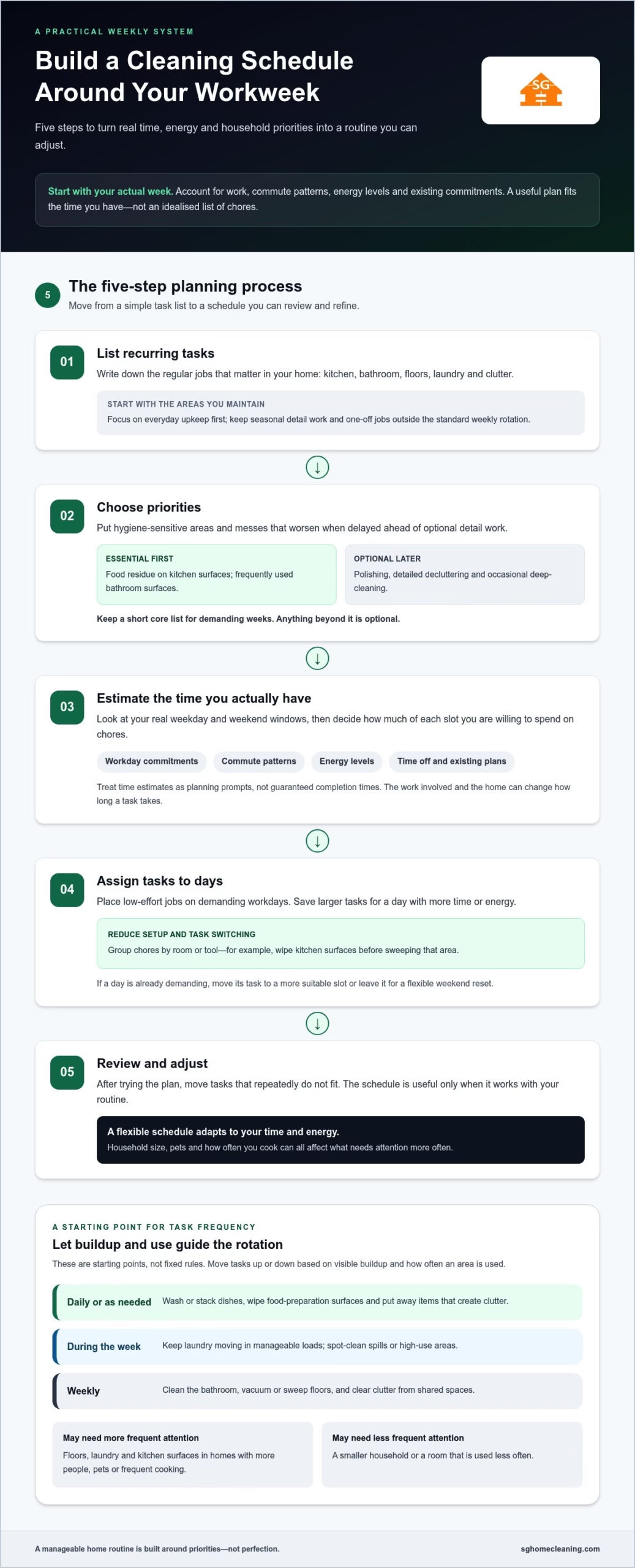
Group recurring work by how quickly it builds up, then adjust the frequency to suit your household. A useful starting point is:
- Daily or as needed: Wash or stack dishes, wipe food-preparation surfaces, and put away items that create clutter.
- During the week: Keep laundry moving in manageable loads and spot-clean spills or high-use areas.
- Weekly: Clean the bathroom, vacuum or sweep floors, and clear clutter from shared spaces.
These are starting points, not fixed rules. More people at home, pets or frequent cooking can mean floors, laundry and kitchen surfaces need attention more often. A smaller household or a less-used room may need less frequent cleaning. Use visible buildup and how often an area is used to decide what to move up or down your list.
Keep seasonal detail work and one-off jobs, such as preparing for a move or cleaning after renovation, outside the standard weekly rotation. They have a different scope from routine upkeep. For a renovation-related reset, see post-renovation cleaning. Treat it as a separate task, not another chore to squeeze into an already full workweek.
How to Build a Cleaning Schedule Around Your Workweek
A workable plan starts with your calendar, not an idealised list of chores. Before assigning tasks, identify realistic time windows: perhaps a brief slot after dinner on some weekdays and a longer window on a day off. Be honest about commute patterns, energy levels and existing commitments. Your plan should fit the week you have, including the evenings when you’re least likely to want a demanding task.
Choose essential chores before optional tasks
Put hygiene-sensitive areas and messes that worsen when left unattended first, such as food residue on kitchen surfaces or a bathroom that sees daily use. Separate these must-do tasks from polishing, detailed decluttering and occasional deep-cleaning. Choose a short core list you can maintain during a demanding week. Anything beyond it is optional.
Build the schedule in five steps
- List the recurring tasks. Note the kitchen, bathroom, floor, laundry and clutter jobs that matter in your home.
- Choose priorities. Mark tasks that affect hygiene or become harder if delayed. Keep detail work off the essential list.
- Estimate available time. Look at your actual weekday and weekend windows, then decide how much of each slot you’re willing to spend on chores.
- Assign tasks to days. Put low-effort jobs on demanding workdays and larger tasks on days with more time or energy. Group chores by room or tool, such as wiping kitchen surfaces before sweeping that area, to reduce setup and switching between tasks.
- Review and adjust. After trying the plan, move tasks that repeatedly don’t fit. A schedule is useful only if it works with your routine.
Time estimates are planning prompts, not guaranteed completion times. A bathroom clean or laundry load can take more or less time depending on the home and the work involved. The efficient home cleaning guide from the American Cleaning Institute offers useful advice on organising cleaning tasks, including working from top to bottom.
Account for shared responsibilities, pets and how often you cook. A flexible cleaning schedule adjusts to the time and energy available instead of becoming a fixed routine you must follow exactly. If recurring upkeep is difficult to fit in, weekly home cleaning support can help you maintain a steadier routine.
A Weekly Cleaning Schedule for Working Adults: Copy-and-Adapt Template
Use this weekday rotation as a starting point, not a rulebook or a universal time commitment. Each day has one main task, so you can adapt the plan to your home, energy and available time. If a particular day is already demanding, move its task to a more suitable slot or leave it for the flexible weekend reset.
Example weekday cleaning tasks
- Monday: Reset the kitchen counters and sink after regular use. Clear dishes and wipe away food residue.
- Tuesday: Clean frequently touched bathroom surfaces, such as the tap and sink, and replace used towels as needed.
- Wednesday: Run or fold a laundry load, depending on what’s accumulated and what fits your routine.
- Thursday: Dust the surfaces that collect the most visible dust, or do a quick clutter reset in a shared space.
- Friday: Sweep or vacuum high-use areas, or swap in another essential that needs attention that week.
That’s the structure, not a checklist you must complete in full. If laundry is already under control, use Wednesday for another priority. If floors need more frequent care in your household, make floor care the main task and move dusting to another week. This cleaning schedule for working adults works best when it reflects real household needs rather than a fixed set of chores.
Use the weekend for a short reset, not a cleaning marathon
Keep a flexible window for one or two essentials that didn’t fit during the week. You might refresh shared spaces, change linens, finish a laundry task or prepare cleaning supplies for the coming week. Stop when those priorities are handled. The weekend is a backup, not a place to move every unfinished chore.
In short, give weekdays one compact task each, then use the weekend for a flexible reset of only the essentials that remain.
For recurring help with home upkeep, explore weekly cleaning service.
How to Keep Your Cleaning Schedule Flexible When Work Gets Busy
A demanding week can disrupt even a well-planned routine. Missing a day doesn’t mean your cleaning schedule for working adults has failed, and it doesn’t mean every missed task needs to be squeezed into the next evening. Treat the plan as a guide you can adjust, not a backlog that grows whenever life gets busy.
What to do when you miss a cleaning day
Use a simple recovery approach: deal with urgent messes, set aside optional tasks, and resume at your next planned session. For example, clean food spills or wash dishes you need, but don’t automatically move dusting, detailed organising and every other unfinished chore onto tomorrow’s list.
On a high-pressure week, fall back on a minimum routine: clear clutter from the areas you use most and wipe priority surfaces, especially where food is prepared. Then review the schedule at the end of the week. If the same task keeps getting pushed aside, move it to a more realistic day, reduce its frequency where appropriate, or share it with someone in your household. A plan that reflects your actual work hours is easier to return to.
When outside cleaning support can make the routine easier
Sometimes the issue isn’t the schedule. A heavier workload, a change in household needs or chores that have accumulated may call for extra support. Weekly cleaning can provide recurring help with maintaining a routine, while one-time house cleaning services can help reset your home before you return to regular upkeep. These options can reduce the amount of catch-up work waiting for your next free day.
Choose the next step that fits your current situation: restart with the essentials, revise tasks that don’t fit, or arrange cleaning support if the backlog feels difficult to manage.
Make Your Cleaning Routine Work for You
A practical cleaning schedule for working adults isn’t about keeping every room spotless. It’s about choosing essential tasks, giving them realistic places in your week, and adjusting when work or home life changes. Start with a few manageable weekday jobs and keep the weekend for a short reset, not a backlog of chores.
If maintaining the routine still feels difficult, SG Home Cleaning offers weekly cleaning for recurring upkeep and one-time cleaning when accumulated tasks call for a reset. Locally trained cleaners follow a clear scope for each service, so you know what the cleaning covers.
Choose one small task to begin with, then build a routine that fits your real week. A flexible plan can make home care feel more manageable and leave more room for rest.
Frequently Asked Questions
How do working adults keep their homes clean with little free time?
Working adults can keep up with home care by assigning a few essential chores to realistic time slots instead of waiting for a free day. A cleaning schedule for working adults might include clearing dishes after dinner, wiping kitchen surfaces, and choosing one main task for another weekday. Focus on areas that affect everyday hygiene first. If household members share the work, agree on clear responsibilities so tasks don’t fall to one person by default.
What is a realistic weekly cleaning schedule for a busy person?
A realistic schedule gives each weekday one manageable task and leaves room for changes. For example, reset the kitchen early in the week, clean bathroom touchpoints the next day, then rotate laundry, dusting and floor care across the remaining days. Keep a flexible weekend window for one or two essentials that didn’t fit. Adjust the rotation to your household rather than treating every task as compulsory every week.
How many minutes a day should I spend cleaning my home?
There’s no single daily time target that suits every home. As a planning exercise, try a short 10- to 15-minute task block and see whether it fits your energy and routine. Use it for one defined job, such as wiping the kitchen counter or putting away clutter, rather than starting several chores at once. If the task regularly takes longer than expected, reduce its scope or give it a more suitable time slot.
Should I clean a little every day or do everything on the weekend?
For many busy routines, spreading upkeep across the week can help prevent chores from accumulating into a long weekend session. Handle small tasks as needed, then assign one main job to selected weekdays. Keep the weekend for a brief reset or a task that needs more attention. You can also combine approaches: do quick daily tidying and reserve one flexible slot for floors, linens or unfinished essentials.
What cleaning tasks should I do every week?
Prioritise recurring tasks that keep frequently used areas comfortable and manageable. A weekly list may include cleaning bathroom surfaces, sweeping or vacuuming floors, doing laundry, clearing clutter from shared spaces and wiping kitchen surfaces. The right frequency depends on how many people live in the home, whether you have pets and how often you cook. Increase attention to areas that get used heavily, and leave occasional deep-cleaning jobs outside the regular list.
What should I do if I miss a day on my cleaning schedule?
Don’t try to move every missed chore to the next day. Deal with urgent messes, such as food spills or dishes you need, skip optional tasks and resume at the next planned session. On an especially busy week, stick to a minimum routine of tidying and cleaning priority surfaces. Review the plan regularly; if the same task keeps getting postponed, assign it to a more realistic day or revise how often it appears.